
Make Room for What Matters With Professional Boat Removal
An unwanted boat can become a problem long after the last trip on the water. A deteriorating hull, an unreliable engine, or a trailer that has been sitting unused can take up valuable space while repair expenses continue to add up. Boat Butcher helps owners explore boat removal in Chula Vista, California, with options that may include hauling, salvage evaluation, and appropriate end-of-life disposal. Whether you have an aging fishing boat, a damaged recreational vessel, or a watercraft you no longer plan to maintain, taking the first step toward removal can help you move on from an increasingly burdensome asset.
When Your Boat Has Outlived Its Usefulness
Boat ownership can change over time. Family priorities shift, recreational interests evolve, and the expense of keeping a vessel in operating condition can become difficult to justify. Some boats remain parked in driveways or storage facilities because their owners intend to repair them but never find the time or money to do so. Chula Vista boat removal services provide a starting point for owners who are ready to explore alternatives. Instead of letting an unused boat occupy space indefinitely, you can assess the vessel’s condition and determine what removal options make sense.
Boat Butcher Helps You Evaluate Your Removal Options
Not every boat can be handled in the same way. Its dimensions, weight, construction materials, mechanical condition, and location all influence the work involved. A small aluminum fishing boat may present relatively straightforward hauling requirements, while an older fiberglass cruiser could require more extensive planning. When exploring boat hauling in Chula Vista, providing clear information about the vessel helps determine which options deserve consideration. Boat Butcher can help organize the details needed to review a request, identify potential access challenges, and discuss an appropriate path toward moving an unwanted boat.
Remove Boats That Are No Longer Worth Repairing
Repairs can gradually turn into an expensive cycle. A failed engine may be followed by electrical problems, deteriorating upholstery, or structural damage that requires additional work. Owners sometimes continue investing in a vessel because they have already spent so much maintaining it. However, past expenses do not guarantee that another repair will be worthwhile. Exploring unwanted boat removal in Chula Vista can help you compare the costs of keeping a boat with the practical considerations of removing it. A thoughtful decision can prevent an aging vessel from becoming an ongoing drain on your time and resources.
Removal Solutions for Recreational Watercraft
Recreational boats come in a wide variety of shapes and sizes, and each type can create different handling requirements. Fishing boats, runabouts, pontoon boats, personal watercraft, cabin cruisers, and other vessels may need different hauling arrangements depending on their condition. Owners looking for recreational boat removal in Chula Vista should provide the boat’s approximate length, construction type, and current storage arrangement. Information about its engine and trailer is also useful. These details help establish the scope of the project and whether additional preparation may be needed before transportation can be arranged.
Non-Running Boats Still Have Removal Possibilities
A vessel does not necessarily need to run to be considered for removal. Engine failure, damaged steering, transmission problems, and electrical issues can make a boat unusable without preventing every possible removal method. Non-running boat removal in Chula Vista depends on the boat’s physical condition and how it can be accessed or loaded. Explain whether the trailer moves, whether the tires hold air, and whether important components are missing. If the boat is severely deteriorated or cannot be moved safely, that information is especially important when evaluating the resources and arrangements required.
Fiberglass Boats Need a Practical End-of-Life Plan
Fiberglass boats can serve their owners for many years, but severe deterioration can eventually make restoration impractical. Damage to the hull, transom, deck, or supporting structure can involve more than a simple cosmetic repair. Older engines and outdated onboard systems can add to the expense. Fiberglass boat removal in Chula Vista starts with understanding the vessel’s overall condition and considering whether usable components may have salvage value. Depending on the circumstances, the next step may involve hauling the boat, evaluating recoverable equipment, dismantling it, or identifying an appropriate disposal route.
Boat Salvage Can Help Identify Recoverable Components
An old vessel may contain equipment that remains useful even when the boat itself is no longer seaworthy. Engines, metal hardware, instruments, electronics, and certain accessories can sometimes be evaluated for potential recovery. Boat salvage in Chula Vista involves considering the condition and usefulness of those items alongside the labor, transportation, and handling required to remove them. Not every component has a resale market, and corrosion or age may reduce its value. An assessment can help establish whether salvage is a practical part of the project or whether another end-of-life option makes more sense.
When Boat Scrapping May Be the Right Decision
Some vessels have deteriorated beyond the point where repair offers a reasonable return. Major structural damage, repeated engine failures, extensive rot, or the cost of replacing multiple systems can make restoration financially unattractive. For these boats, boat scrapping in Chula Vista may be worth evaluating as an alternative to continued repairs. The appropriate approach depends on the vessel’s materials, size, condition, and available processing options. Planning for end-of-life handling can give owners a way to address an unwanted boat without continuing to invest in a project that no longer meets their needs.
Fishing Boats, Aluminum Boats, and Older Powerboats
A fishing boat may have years of accumulated equipment, electronics, and modifications, while an aluminum boat may show corrosion or structural wear after extended use. An older powerboat can introduce additional concerns involving its engine, hull, and onboard systems. If you need old fishing boat removal in Chula Vista, describe what remains with the vessel and whether the trailer is included. It is also helpful to identify missing parts and visible damage. A complete picture of the boat makes it easier to determine what must be considered before the removal can proceed.
Boat and Trailer Removal Without Guesswork
A damaged trailer can complicate the removal of an otherwise manageable boat. Flat tires, corroded frames, failed axles, and seized wheels may make ordinary towing unsafe or impossible. If both the boat and trailer need to be removed, boat and trailer removal in Chula Vista should be evaluated as a combined project. Explain whether the vessel is securely mounted and whether the trailer can roll. When the two items cannot be moved together, separate handling arrangements may be necessary. Providing these details upfront helps clarify what the removal request involves.
Clear the Driveway or Yard of an Unwanted Vessel
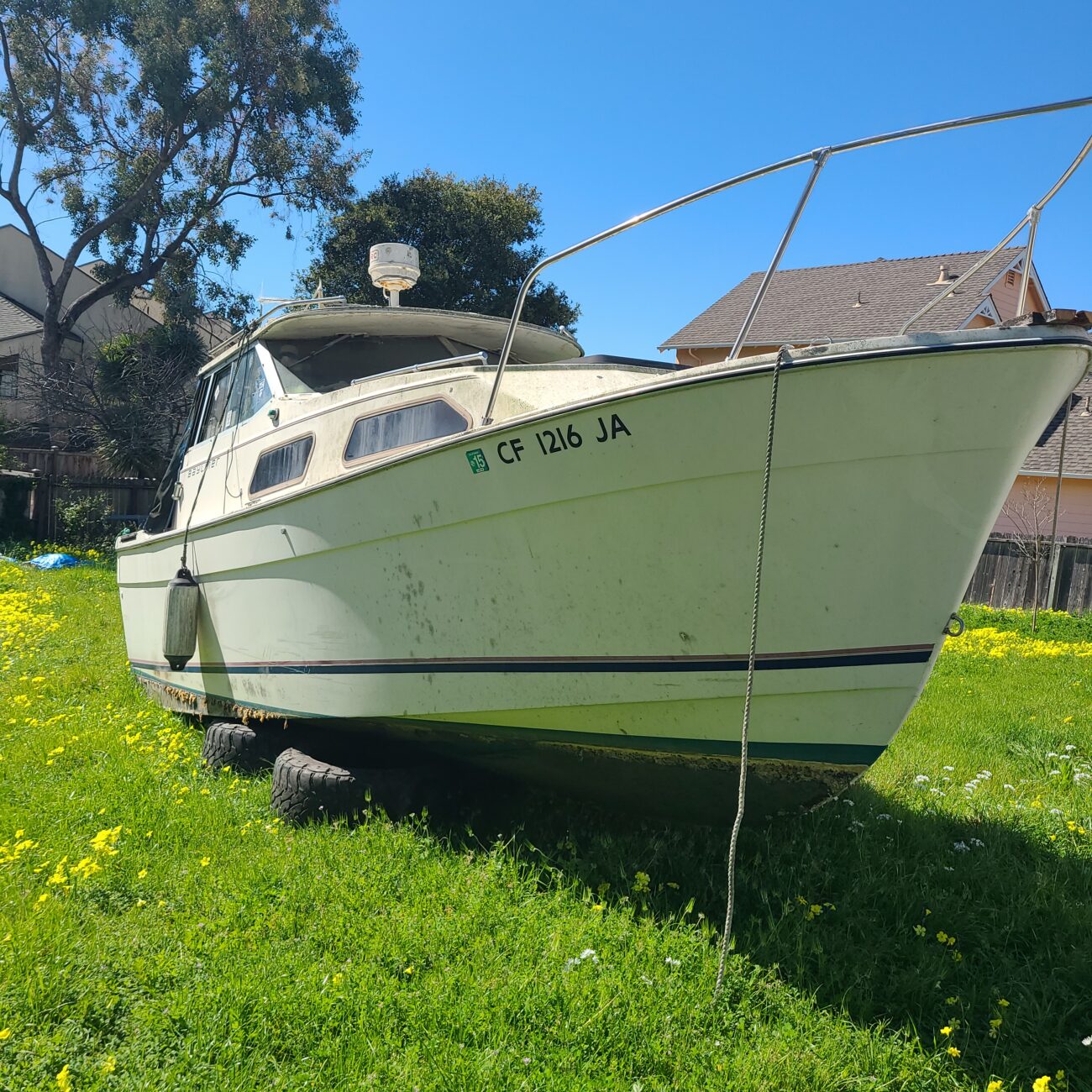
An unused boat can occupy a significant amount of space on residential property. It may restrict parking, limit access to stored equipment, or leave an otherwise useful area difficult to maintain. Residential boat removal in Chula Vista can help homeowners begin reclaiming space when a vessel is no longer wanted. Before scheduling, check the route from the boat’s current position to an accessible pickup point. Narrow gates, steep driveways, low branches, fences, and limited turning space can all affect the method used to move the vessel.
Storage Facilities Can Require Advance Coordination
Boats kept in commercial storage lots or other managed facilities may be subject to rules governing access, appointments, vehicle size, and removal procedures. The boat itself may also have become difficult to move after years of storage. When arranging boat removal from storage in Chula Vista, confirm that you have authority to arrange the removal and ask the facility about any advance requirements. Determine whether the area can accommodate hauling equipment and whether other stored items could obstruct access. Addressing these details before the scheduled date can help prevent unnecessary delays.
Removing Boats From Marinas and Managed Waterfront Locations
A boat stored at a marina or managed waterfront site may require additional coordination. The facility may have rules concerning approved vendors, access hours, documentation, equipment, or vessel release. Before pursuing marina boat removal in Chula Vista, verify the applicable requirements with the site operator. It is also important to explain whether the boat is already stored on land or remains in the water, because the handling requirements can differ considerably. If specialized lifting or other assistance is required, those arrangements should be addressed before a removal plan is finalized.
Neglected or Abandoned Boats Need Proper Authorization
A boat left unattended for a long period can become a concern for the person responsible for the property where it sits. However, a vessel that appears abandoned is not automatically available for removal or disposal by anyone who wants it gone. Abandoned boat removal in Chula Vista should begin by confirming ownership and determining who has authority to authorize the work. Depending on the circumstances, documentation, written permission, or facility procedures may apply. Resolving ownership questions before arranging pickup helps avoid disputes and makes it easier to establish a lawful removal plan.
Get a More Useful Boat Removal Estimate
The quality of an estimate depends partly on the information available at the start. When requesting boat removal estimates in Chula Vista, provide the vessel’s approximate length, type, condition, and location. Explain whether the engine and trailer are included, whether the boat is accessible, and whether any major parts are missing. Photographs of the boat’s exterior, interior, trailer, and surrounding area can help illustrate the situation. If the vessel has structural damage or cannot be moved normally, describe that clearly so the removal requirements can be evaluated realistically.
Confirm Ownership Documents Before Arranging Pickup
A boat removal request should be supported by the appropriate ownership authority. Depending on the vessel and circumstances, a title, registration, bill of sale, or written authorization may be relevant. A vessel owned by a business, estate, or another individual may require additional documentation before it can be transferred or disposed of. Boat disposal in Chula Vista should follow applicable ownership requirements rather than rely on assumptions. Taking care of these questions early helps prevent a planned removal from being interrupted by unresolved paperwork or disagreements over who can authorize the work.
Responsible Disposal for Boats at the End of Their Useful Life
End-of-life boats may contain materials that need special consideration. Fuel, oil, batteries, electronic equipment, and other onboard substances may require separate handling depending on their condition and applicable rules. Fiberglass, metals, wood, plastics, and mixed construction materials can also affect the disposal process. Responsible boat disposal in Chula Vista means considering what the vessel contains and identifying an appropriate route for its remaining materials. Reuse, salvage, and recycling may be feasible for certain components, but the right approach depends on the condition of the items and the options available.
Prepare for a Successful Boat Pickup
Before the boat is collected, review what the agreed service includes and what preparation is expected from you. Identify personal belongings, loose equipment, keys, and documents that should not remain with the vessel. Ask how fuel, batteries, and other materials should be handled rather than attempting potentially hazardous work without proper guidance. When arranging boat pickup in Chula Vista, confirm whether the trailer is included, whether the access route needs to be cleared, and whether permissions have been obtained. Clear expectations make the appointment easier to organize and reduce the risk of overlooked requirements.
How Boat Butcher Helps Organize the Process
Every boat removal begins with a particular set of circumstances. Some owners need to clear a driveway, while others have an inoperable boat at a storage facility or a vessel that has become too expensive to repair. Boat Butcher helps customers review the details and explore possible next steps for Chula Vista boat removal services. This may involve collecting measurements, reviewing photographs, discussing the boat’s condition, and clarifying access requirements. The goal is to understand the actual work involved before confirming the scope of the service or making assumptions about timing and equipment.
Avoid Letting Storage Expenses Continue Indefinitely
An unwanted boat can continue generating expenses even when it is no longer being used. Storage charges, registration obligations, maintenance needs, and deterioration may add to the burden over time. Owners may delay making a decision because the vessel once represented a significant investment or because repairs seem like the easier short-term option. Exploring affordable boat removal in Chula Vista can help clarify the alternatives. Comparing the cost of retaining the vessel with the practical requirements of removal may provide a clearer basis for deciding whether it is time to move on.
Reclaim Useful Space and Reduce an Ongoing Responsibility
Getting rid of an unwanted boat is not only about moving a large object. It can also mean eliminating a lingering maintenance project, freeing up a storage space, and making a property easier to use. Local boat removal in Chula Vista provides a starting point for owners who are ready to address the issue. Whether the boat is a small fishing craft or an aging recreational vessel, the best next step depends on its condition, location, and access requirements. With those facts established, the owner can begin working toward a practical resolution.
Start Your Boat Removal Request With Boat Butcher
If you have an aging powerboat, damaged fiberglass boat, non-running fishing vessel, or unwanted boat-and-trailer combination, begin by collecting a few basic details. Share the approximate dimensions, the boat’s current location, visible damage, and photographs of the surrounding access area. Boat Butcher helps customers explore boat removal, boat hauling, boat salvage, and end-of-life vessel disposal in Chula Vista according to the needs of each request. Clear information helps establish what should be evaluated next and begins the process of making room for something more useful.