Need an Unwanted Boat Removed in Ontario?
An old boat can take up more than just physical space. It can become a constant maintenance project, an expensive storage responsibility, and an obstacle that keeps you from using your property the way you want. When an engine fails, a hull deteriorates, or repair estimates become unreasonable, it may be time to consider another option. Boat Butcher helps owners explore boat removal in Ontario, California, including potential hauling, salvage evaluation, and appropriate end-of-life disposal. Whether you have a neglected fishing boat, an aging powerboat, or a vessel that no longer runs, we help you start evaluating a practical way to get it out of the way.
Ontario Boat Removal Services for Unwanted Vessels
Boat ownership can change dramatically over the years. A vessel that once provided weekend entertainment may eventually sit unused in a driveway, side yard, storage yard, or private lot. The longer it remains there, the more likely it is that tires, mechanical components, and exterior materials will deteriorate. Ontario boat removal services offer a starting point for owners ready to deal with an unwanted watercraft. Boat Butcher helps customers organize the information needed to evaluate their vessels and explore a removal plan based on the boat’s condition, location, and accessibility.
Get Rid of an Old Boat Instead of Paying for Endless Repairs
A boat that needs one repair today may need several more tomorrow. Engine trouble can lead to electrical problems, damaged interiors, structural concerns, and other expenses that make restoration increasingly difficult to justify. Owners considering unwanted boat removal in Ontario can compare the likely cost of continued repairs with the requirements of removing the vessel. Sometimes the most practical decision is to stop putting money into a boat that no longer fits your needs. A careful evaluation of its current condition can help you decide whether to repair it, salvage components, or move toward disposal.
Boat Butcher Helps Make Boat Hauling Easier to Understand
Removing an unwanted vessel involves more than finding a truck and trailer. The boat’s weight, length, construction materials, condition, and pickup location can all affect the work required. When exploring boat hauling in Ontario, CA, provide the approximate dimensions of the vessel and explain whether it is operational or sitting on a damaged trailer. Photographs of the boat and its surroundings can help clarify the request. Mention missing parts, structural damage, and access restrictions so the project can be evaluated according to its actual requirements before arrangements are finalized.
Boat Removal for Fishing Boats, Powerboats and Recreational Vessels
Different types of watercraft create different removal challenges. Fishing boats, aluminum craft, fiberglass runabouts, pontoon boats, sailboats, and cabin cruisers vary considerably in construction, dimensions, and weight. Owners seeking recreational boat removal in Ontario should identify the vessel type and provide its approximate length and general condition. Explain whether the engine, trailer, and additional equipment are included. A small boat on a functioning trailer may present a different situation from a larger vessel with structural damage or missing components. Accurate information helps determine what needs to be considered before removal.
Non-Running Boat Removal in Ontario, California
A vessel does not necessarily need to start to be considered for removal. Failed engines, transmission problems, electrical issues, and damaged steering systems can make boats unusable without eliminating every possible removal option. Non-running boat removal in Ontario begins with understanding the boat’s physical condition and how it is currently supported. Explain whether the trailer wheels turn, whether the tires hold air, and whether major components have been removed. If the hull is compromised or the vessel has been sitting untouched for several years, disclose those details so potential handling requirements can be evaluated realistically.
Fiberglass Boat Removal for Damaged and Aging Watercraft
Fiberglass boats can provide many years of service, but deterioration may eventually make restoration impractical. Cracked hull sections, weakened transoms, damaged decks, water intrusion, and aging mechanical systems can turn an older vessel into an expensive repair project. Fiberglass boat removal in Ontario, CA may be worth exploring when continued maintenance no longer makes financial sense. Depending on the boat’s condition, possible next steps may involve hauling, evaluating recoverable components, dismantling, or identifying an appropriate disposal route for the remaining materials. A realistic assessment considers the entire vessel rather than its exterior appearance alone.
Boat Salvage in Ontario: Explore Potential Recovery Options
An unwanted boat may contain components that retain potential value even when the complete vessel cannot return to service. Engines, metal fittings, instruments, electronic equipment, and selected accessories may be worth evaluating for recovery depending on their condition and usefulness. Boat salvage in Ontario involves weighing those possibilities against the labor, transportation, and handling required to retrieve the individual items. Corrosion, obsolete equipment, and physical damage can reduce the usefulness of certain components. A realistic assessment helps establish whether salvage should be considered as part of the overall removal plan.
Boat Scrapping for Vessels That Are Beyond Repair
Some boats eventually require more money and labor than their owners can reasonably justify. Extensive hull damage, repeated engine failures, deteriorated supporting structures, and expensive replacement systems can make restoration financially unattractive. In these situations, boat scrapping in Ontario may be worth evaluating as an alternative to continued repairs. The appropriate approach depends on the boat’s materials, dimensions, condition, and available processing options. Reviewing the requirements for end-of-life handling can help owners make a more informed decision about whether another repair makes sense or whether it is time to move on.
Fishing Boat Removal and Disposal in Ontario
Fishing boats often accumulate years of electronics, accessories, equipment, and modifications. Older vessels may also develop engine problems, deteriorated wiring, worn interiors, and structural concerns that make continued use difficult. If you need fishing boat removal in Ontario, describe the vessel as it currently exists and identify which equipment should remain with it. Mention missing components, visible damage, and known mechanical issues. Remove personal belongings beforehand when practical and safe. Clarifying whether the engine, trailer, and accessories are included helps establish the complete scope of the removal request.
Boat and Trailer Removal for Unwanted Combinations
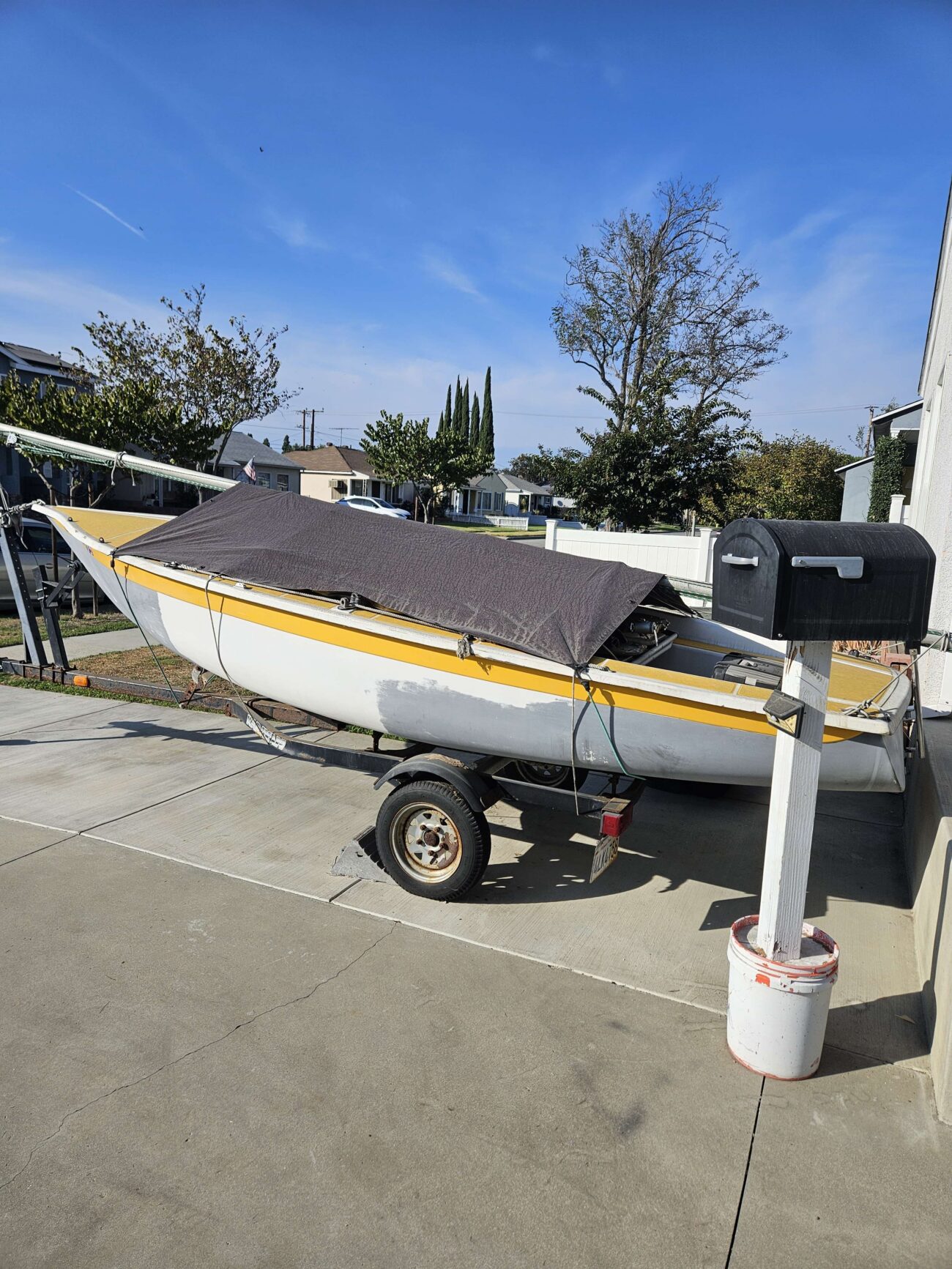
Sometimes the trailer is just as problematic as the boat it supports. Flat tires, corroded frames, failed axles, and seized wheels can make ordinary towing unsafe or impossible. Boat and trailer removal in Ontario should account for the condition of both items when they need to be removed together. Explain whether the boat is securely supported, whether the trailer can roll, and whether hauling equipment can reach the location. If either item cannot be moved safely in its current condition, additional preparation or separate handling arrangements may be necessary before the project can proceed.
Residential Boat Removal From Driveways and Private Property
An unwanted boat can occupy valuable space around a home, limiting parking and access to other equipment. Narrow driveways, gates, fences, low branches, steep approaches, and restricted turning areas can also complicate removal. For residential boat removal in Ontario, photographs of the vessel and the route to the pickup area can help identify potential obstacles. Measurements of narrow entrances or covered spaces may be useful as well. Reviewing property access before scheduling helps establish a realistic removal approach and reduces the likelihood of unexpected complications.
Boat Removal From Storage Facilities in Ontario
Commercial storage yards and managed facilities may have procedures covering access hours, appointments, paperwork, vehicle entry, and removal equipment. A vessel that has remained stationary for years may also have flat tires, deteriorated trailer components, or limited clearance around it. When arranging boat removal from storage in Ontario, confirm that you have authority to organize the work and understand the facility’s requirements. Provide the boat’s exact storage location and identify any nearby obstacles. These details help determine whether the proposed hauling method is appropriate for the site.
Inland Boat Hauling and Transportation Requirements
Ontario is an inland community, so many removal requests involve boats stored on private property, in driveways, or at commercial storage facilities rather than at a local waterfront. Some owners may have vessels previously used at regional recreational waterways that are no longer suitable for ordinary towing. Boat hauling services in Ontario should be evaluated using the boat’s actual location, dimensions, condition, and accessibility. If the vessel remains in the water or is stored outside the city, identify its location clearly because the required handling arrangements may differ from those needed for a boat already on land.
Abandoned Boat Removal Requires Proper Authorization
A neglected boat can become a serious concern when it occupies a storage space or property that needs to be cleared. However, a vessel that appears abandoned cannot automatically be removed by someone who does not own it or have authority over its disposition. Abandoned boat removal in Ontario should begin by confirming ownership and determining who can lawfully authorize the work. Depending on the circumstances, title records, registration documents, written permission, or facility-specific procedures may apply. Resolving these questions before arranging pickup helps prevent disputes and unnecessary delays.
How to Get a Boat Removal Estimate in Ontario
A useful estimate begins with an accurate description of the boat and the work involved. When requesting boat removal estimates in Ontario, provide the approximate length, construction material, general condition, and current storage location. Explain whether the engine, trailer, and additional equipment are included. Photographs of the hull, interior, trailer, and surrounding access area can help clarify the request. Be sure to mention structural damage, missing components, or trailer problems. Complete information helps the project be evaluated according to the actual circumstances rather than assumptions.
Boat Titles, Registration and Disposal Authorization
Before a boat is removed, the person arranging the work should have the appropriate authority to transfer or dispose of the vessel. Depending on the circumstances, relevant documentation may include a title, registration record, bill of sale, or written authorization. Additional requirements may apply when a vessel belongs to a business, an estate, or another individual. Boat disposal in Ontario should follow the ownership and transfer requirements applicable to the particular vessel. Addressing paperwork questions early helps prevent a removal arrangement from being delayed by unresolved documentation or authorization issues.
Environmentally Responsible Boat Disposal
Older watercraft can contain materials that require special consideration during removal and processing. Fuel, oils, batteries, electronic equipment, and certain onboard substances may need separate handling depending on their condition and applicable requirements. Fiberglass, wood, metal, and plastic components can also influence available disposal options. Responsible boat disposal in Ontario means considering the vessel’s materials and contents rather than treating the entire boat as ordinary waste. Reuse, salvage, and recycling may be suitable for selected components, but the appropriate route depends on their condition and available processing options.
Preparing Your Unwanted Boat for Pickup
Preparation requirements depend on the vessel’s condition and the agreed scope of work. Identify personal belongings, keys, documents, and loose equipment that should not remain with the boat. Confirm whether the engine, trailer, and accessories are included in the removal arrangement. When organizing boat pickup in Ontario, clarify whether the access route needs to be cleared and whether permission from a property owner or storage facility is required. Potentially hazardous materials should be handled carefully with appropriate guidance. Clear expectations help everyone understand the pickup plan and the owner’s remaining responsibilities.
How Boat Butcher Helps Organize the Removal Process
Every removal request comes with different circumstances. One owner may need to clear a residential driveway, while another has a non-running vessel in storage or a fiberglass boat that has become too expensive to restore. Boat Butcher helps customers organize the information needed to explore Ontario boat removal services. This may include measurements, photographs, trailer condition, mechanical problems, the boat’s location, and access restrictions. Reviewing these details provides a starting point for discussing potential options and identifying what must be addressed before the removal arrangement is finalized.
Stop Paying to Store a Boat You No Longer Use
An unwanted vessel can continue generating expenses long after its owner stops using it. Storage charges, maintenance, attempted repairs, and physical deterioration can all add to the cost of keeping the boat. Delaying a decision may also make removal more difficult if the trailer or supporting components deteriorate further. Exploring affordable boat removal in Ontario helps owners compare the requirements of removal with the ongoing expense of retaining the vessel. Understanding the alternatives can help determine whether another repair, another year of storage, or an end-of-life solution is the most sensible choice.
Reclaim Your Property and Put the Space to Better Use
An old boat may occupy a driveway, side yard, or storage area that could serve a more useful purpose. Removing it can close out a long-running maintenance project and free up room for parking, tools, equipment, or other priorities. Local boat removal in Ontario provides a starting point for owners who are ready to address a vessel that no longer fits their plans. The appropriate approach depends on the boat’s dimensions, materials, condition, and location. Once these factors have been reviewed, you can work toward a practical resolution instead of continuing to manage an unwanted boat.
Contact Boat Butcher for Ontario Boat Removal
If you have an aging fishing boat, a damaged fiberglass vessel, a non-running powerboat, or an unwanted boat-and-trailer combination, begin by gathering the basic details. Provide the approximate dimensions, current location, general condition, and photographs of the vessel and access area. Boat Butcher helps customers explore boat removal, boat hauling, boat salvage, and end-of-life vessel disposal in Ontario according to the circumstances of each request. Start the conversation and take the first step toward clearing your property of an unwanted boat.