Give an Unwanted Boat a Way Out
A boat that once served as a source of recreation can eventually become a costly item that sits unused. Engine trouble, deteriorating materials, expensive repairs, and limited storage space can make keeping a vessel more difficult than expected. Boat Butcher helps owners explore boat removal in National City, California, with potential options for hauling, salvage assessment, and appropriate end-of-life disposal. Whether you have an aging fishing boat, a damaged recreational vessel, or a boat you no longer intend to use, a practical removal plan can help you reclaim space and move forward.
When an Old Boat Becomes More Trouble Than It Is Worth
Boat ownership can change as family needs, budgets, and recreational interests evolve. A vessel that once received regular maintenance may eventually remain parked for months or years because its owner no longer has the time or resources to restore it. Meanwhile, storage requirements and deterioration can continue to create expenses. National City boat removal services provide a starting point for owners who want to address an unwanted vessel instead of allowing it to remain an unfinished project indefinitely.
Boat Butcher Helps You Review Your Options
Removing a boat involves more than finding a vehicle capable of towing it. The vessel’s size, weight, hull condition, trailer, and pickup location can all affect the work required. Boat Butcher helps customers organize the information needed to evaluate boat hauling in National City and explore a suitable next step. A small boat with a functioning trailer may be handled differently from a larger vessel with mechanical issues or restricted access. Sharing accurate details at the start helps clarify what needs to be considered before arrangements are made.
Removing Boats That Are No Longer Practical to Repair
Repeated repair bills can make it difficult to justify keeping an aging vessel. One mechanical problem may be followed by electrical failures, hull deterioration, damaged upholstery, or other issues that require more investment. For owners considering unwanted boat removal in National City, comparing the likely expense of continued repairs with the requirements of removal can provide a clearer picture of the available choices. A boat does not need to be completely unusable before an owner begins evaluating alternatives to long-term storage and ongoing maintenance.
Removal Options for a Variety of Watercraft
Different boats require different handling considerations. Fishing boats, runabouts, aluminum craft, pontoon boats, sailboats, and cabin cruisers can vary considerably in construction, weight, and dimensions. Owners looking for recreational boat removal in National City should provide the approximate length, general condition, and location of their vessel. It is also helpful to explain whether the engine remains installed, whether a trailer is included, and whether the boat can be accessed easily. These details help establish the scope of the request before a removal plan is confirmed.
What Happens When a Boat No Longer Runs?
A vessel with a failed engine or damaged mechanical system may still be eligible for removal, although its condition can affect the handling arrangements. Non-running boat removal in National City starts with understanding whether the boat can be rolled, loaded, or otherwise moved safely. Describe any problems with the steering, trailer wheels, tires, or major components. If the vessel has been sitting unused for many years, mention that as well. Accurate information helps reveal potential obstacles before the removal date rather than after equipment has arrived.
Fiberglass Boats at the End of Their Useful Life
Fiberglass boats can deliver years of service, but deterioration may eventually make restoration uneconomical. Hull damage, structural weakness, water intrusion, and outdated mechanical systems can combine to create a repair project that no longer makes financial sense. Fiberglass boat removal in National City begins with assessing the vessel’s overall condition and considering how its materials and components may affect the next step. Depending on the situation, owners may explore hauling, recovery of selected equipment, dismantling, or an appropriate end-of-life disposal arrangement.
Boat Salvage May Offer Another Possibility
An old boat may still contain components that are potentially useful even when the complete vessel is no longer practical to operate. Engines, metal fittings, instruments, electronic equipment, and selected accessories may be worth reviewing for possible recovery. Boat salvage in National City involves weighing the condition of those components against the labor, transportation, and handling required to retrieve them. Not every part has meaningful resale value, particularly when it is damaged, corroded, obsolete, or expensive to remove. A realistic assessment helps owners consider salvage without assuming that every old boat contains valuable materials.
When Scrapping Is More Practical Than Restoration
Some boats reach a point where major repairs are difficult to justify. Extensive hull damage, worn structural components, recurring mechanical failures, or expensive replacement systems may make restoration financially unattractive. In these situations, boat scrapping in National City, CA may be worth evaluating as an alternative to further repairs. The appropriate route depends on the vessel’s size, materials, condition, and available processing options. By reviewing the practical requirements of removal and disposal, owners can decide whether continued restoration is worthwhile or whether it is time to move on.
Fishing Boats and Older Powerboats
Fishing boats can accumulate equipment, electronics, and accessories during years of use. Older powerboats may develop engine problems, wiring issues, interior deterioration, or hull damage that makes regular operation impractical. When seeking fishing boat removal in National City, explain the boat’s general condition and identify which equipment or accessories are included. If personal belongings or gear should not leave with the vessel, plan to remove them beforehand when safe to do so. Clear communication helps establish what the removal request covers and reduces the likelihood of confusion later.
Boat and Trailer Removal Should Be Planned Together
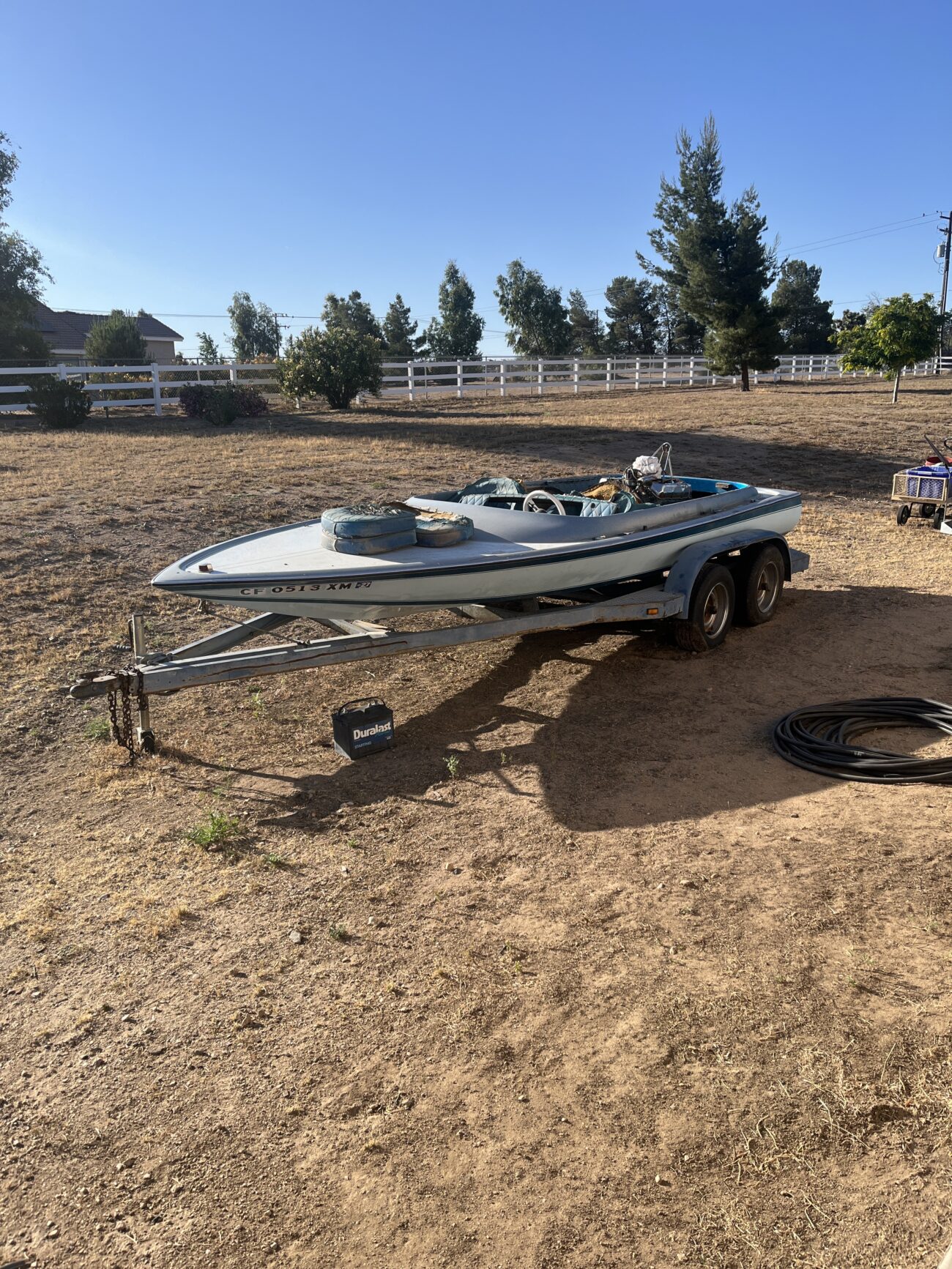
Sometimes the trailer supporting a boat is just as worn out as the vessel itself. Damaged tires, corroded frames, seized wheels, or failed axles may make ordinary towing unsafe. Boat and trailer removal in National City may therefore need to be assessed as a combined project. Explain whether the boat is securely supported, whether the trailer can roll, and whether the entire combination is accessible to hauling equipment. If either item cannot be moved safely in its current condition, additional arrangements may be needed before the job can proceed.
Clearing Boats From Residential Property
A boat stored at home can take up valuable parking or yard space. Narrow driveways, gates, trees, fences, steep approaches, and limited turning room may also make it difficult to move the vessel out. For residential boat removal in National City, photographs of the boat and the surrounding access route can help identify possible restrictions. Measurements of narrow openings or covered areas are useful when available. Considering these details ahead of time can help establish a more realistic removal approach and prevent avoidable access problems.
Storage Lots Can Present Their Own Challenges
Boats kept in storage facilities may be subject to rules about vehicle access, appointment times, paperwork, and approved removal procedures. Vessels left stationary for long periods may also have flat tires, corroded trailers, or limited clearance around them. Owners arranging boat removal from storage in National City should confirm that they are authorized to arrange the work and understand the facility’s requirements. Information about the exact storage space and available access can help determine whether the planned hauling method is suitable.
Removing Boats From Managed Marine Facilities
A boat kept at a marina, boatyard, or another managed marine property may require coordination with the facility operator. Rules regarding access, release procedures, ownership documentation, equipment, and scheduling can influence the removal arrangements. Before requesting marina boat removal in National City, confirm the applicable procedures with the facility. It is also important to explain whether the vessel is already on land or remains in the water. Those situations can involve substantially different handling requirements and should be evaluated before scheduling work.
Handle Abandoned Boats With Proper Authorization
A neglected vessel can cause problems for the person responsible for the property where it sits. However, a boat that appears abandoned is not automatically available for removal by someone who does not own it or have the proper authorization. Abandoned boat removal in National City should begin by determining who owns the vessel and who can legally approve its disposition. Depending on the situation, registration records, written permission, facility procedures, or other documentation may be required. Resolving these questions first helps prevent disputes and unnecessary delays.
Information That Helps With a Boat Removal Estimate
A useful estimate begins with a clear description of the boat and its location. When requesting boat removal estimates in National City, provide the approximate length, construction type, condition, and current storage arrangement. Explain whether the engine and trailer are included, whether the boat can be moved normally, and whether components are missing. Photographs of the hull, interior, trailer, and access area can help clarify the job. Mention known structural damage or other complications rather than relying on exterior photographs alone.
Ownership Records Should Be Addressed Early
Before removal can proceed, the person requesting the work should have the authority to arrange the vessel’s transfer or disposal. Depending on the circumstances, a title, registration record, bill of sale, or written authorization may be relevant. Additional documentation may be necessary when a vessel belongs to a business, an estate, or another individual. Boat disposal in National City should comply with the requirements that apply to the particular vessel. Addressing ownership questions in advance helps avoid situations in which a scheduled removal cannot proceed because authorization is unresolved.
Responsible End-of-Life Handling for Old Boats
Boats can contain materials that require special consideration when they are removed or dismantled. Fuel, oils, batteries, electronic equipment, and certain onboard substances may need separate handling depending on their condition and applicable requirements. Fiberglass, wood, metal, and plastic components can also affect disposal options. Responsible boat disposal in National City means considering these materials rather than treating every vessel as ordinary discarded property. Reuse, salvage, and recycling may be possible for some components, but the suitable approach depends on the vessel’s condition and available processing options.
Prepare for Pickup Without Creating New Problems
Before the scheduled removal, identify personal belongings, keys, documents, and loose equipment that should not remain with the boat. Clarify whether the trailer, motor, and other accessories are included in the agreed scope. Ask how any fuel, batteries, or potentially hazardous materials should be handled instead of attempting unsafe work yourself. When arranging boat pickup in National City, confirm access requirements and make sure the relevant permissions have been addressed. Clear expectations help everyone understand what is included and which preparation tasks remain the owner’s responsibility.
How Boat Butcher Helps Organize Your Request
Each boat removal request presents different circumstances. One owner may need a vessel cleared from a driveway, while another may have a non-running boat in storage or an older craft that has become too expensive to maintain. Boat Butcher helps customers gather the information needed to explore National City boat removal services. This may include the boat’s dimensions, condition, current location, photographs, and known access restrictions. The aim is to understand the actual job before discussing the proposed scope, cost, and scheduling requirements.
Do Not Let Storage Costs Continue Without a Plan
An unwanted boat can continue generating expenses long after it stops being used. Storage charges, maintenance, repairs, and physical deterioration may add to the cost of ownership over time. Delaying a decision can also make the vessel harder to move if its trailer or supporting equipment deteriorates. Exploring affordable boat removal in National City can help owners evaluate their alternatives and compare the practical requirements of removal with the cost of continued storage. Having that information available makes it easier to make a decision based on the boat’s current condition and the owner’s priorities.
Reclaim Your Driveway, Yard, or Storage Space
An unused boat can occupy an area that could otherwise be used for parking, equipment, or other property needs. Removing it can also close out a maintenance project that has lingered for years. Local boat removal in National City offers owners a starting point for addressing a vessel that no longer fits their plans. The right approach depends on size, condition, location, and accessibility. Once these details are reviewed, owners can begin working toward a realistic removal plan rather than continuing to work around an unwanted boat.
Start Your Boat Removal Request With Boat Butcher
If you have an aging fishing boat, a damaged fiberglass vessel, a non-running powerboat, or a boat-and-trailer combination you no longer need, start by collecting basic information. Share the approximate dimensions, current location, general condition, and photographs of the boat and access area. Boat Butcher helps customers explore boat removal, boat hauling, boat salvage, and end-of-life vessel disposal in National City according to the circumstances of each request. Clear information is the first step toward determining the next steps and making space for something more useful.