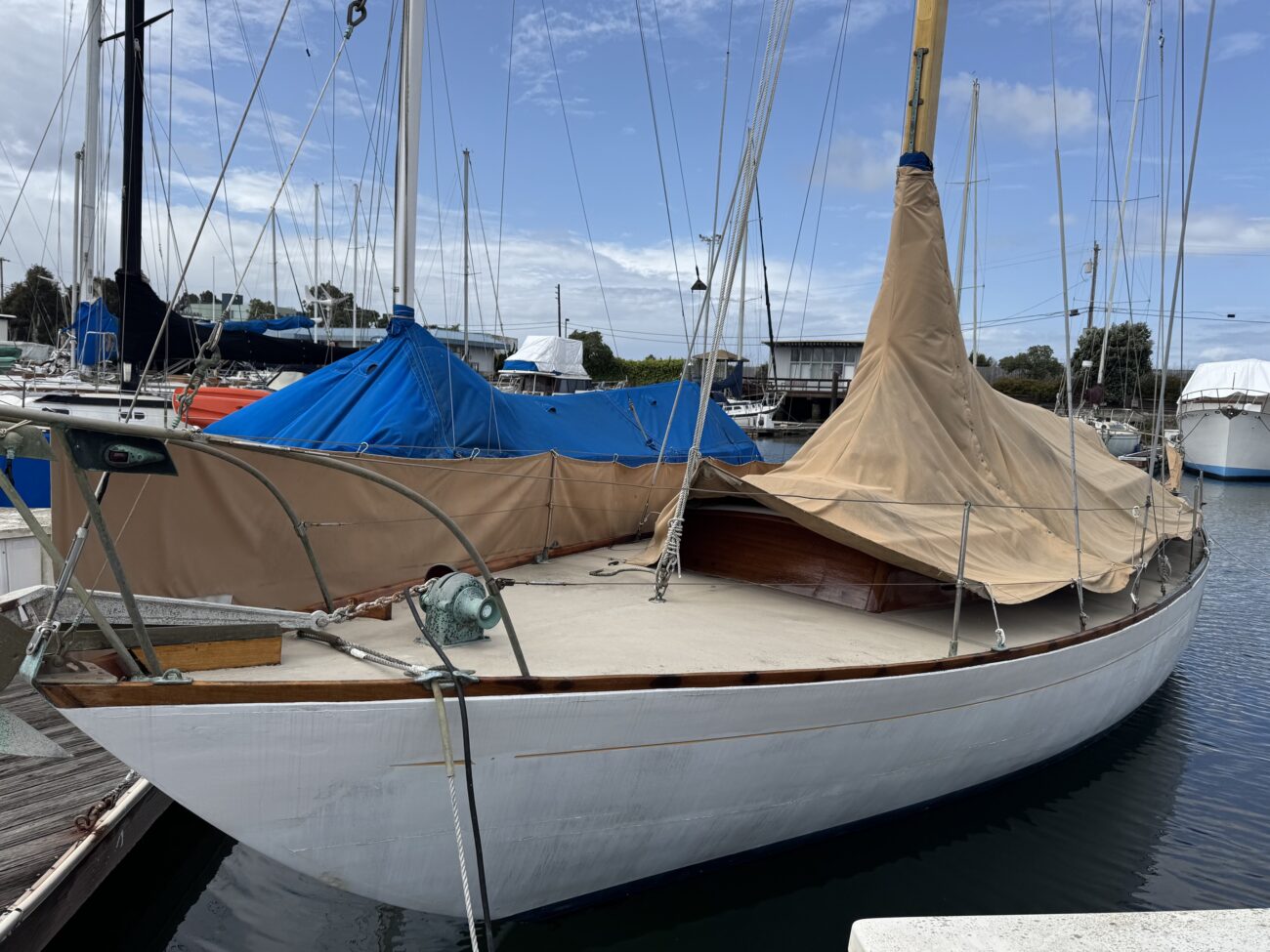

A Better Way to Handle an Unwanted Boat in Del Mar
Owning a boat can be rewarding, but keeping one that no longer serves a purpose can become an ongoing expense. An aging vessel may sit unused for months or years while repair estimates accumulate and storage space remains occupied. For owners seeking boat removal in Del Mar, California, Boat Butcher helps explore practical options for hauling away unwanted watercraft, evaluating salvage possibilities, and planning appropriate end-of-life disposal. Whether your boat has suffered extensive wear, no longer runs, or simply needs to leave your property, the first step is finding a realistic solution that fits the vessel and its circumstances.
When Boat Ownership No Longer Makes Sense
Boats are often kept longer than intended because owners hope to repair them, sell them, or return to regular use someday. Eventually, that plan can become less practical than moving on. Engine trouble, deteriorating hull materials, weather exposure, expensive maintenance, and limited storage can all influence the decision. Del Mar boat removal services give owners a way to start addressing the situation rather than continuing to manage a vessel they no longer want. Boat Butcher can review the available details and help determine what information is needed to evaluate the next steps.
Boat Butcher for Local Vessel Removal Needs
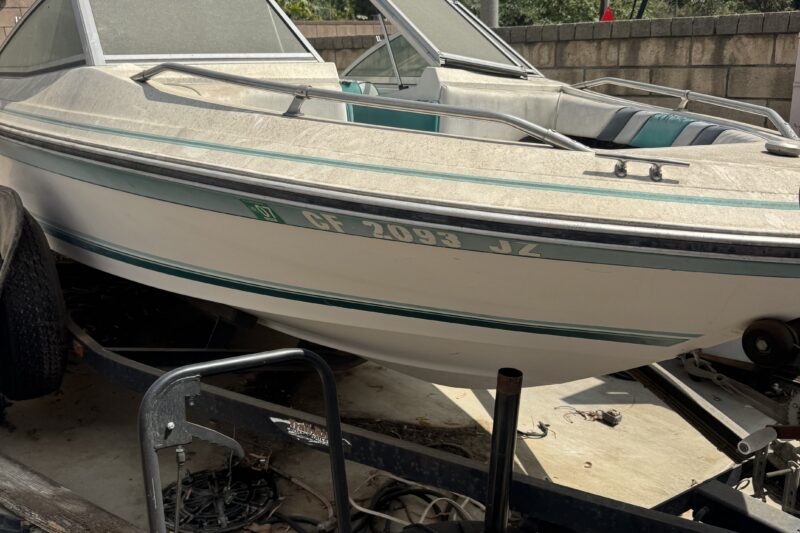
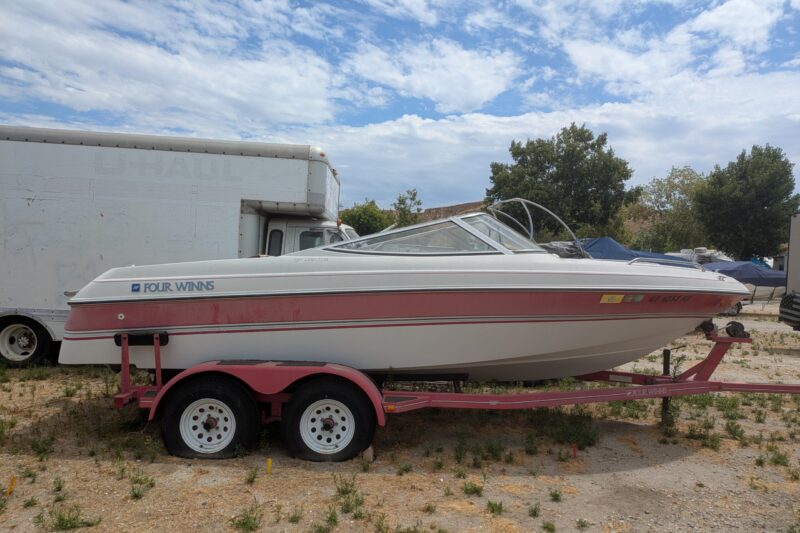
Every removal request comes with its own challenges. A compact fishing boat parked on a trailer is different from a large cabin cruiser, damaged sailboat, or vessel that has been left untouched for years. Boat Butcher approaches unwanted boat removal in Del Mar by considering the type of boat, its dimensions, present condition, and physical location. Access restrictions and transportation requirements are also important. Gathering these details early helps establish whether hauling, salvage assessment, dismantling, or another authorized option may be appropriate for the specific vessel.
Getting an Old Boat Out of the Way
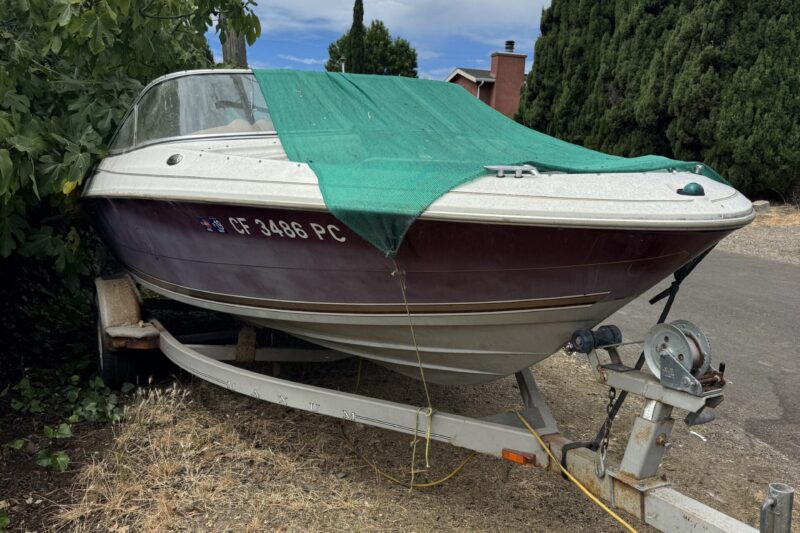
A boat that occupies a driveway, side yard, storage space, or private lot can limit how that area is used. It may also become the source of a long-running project that never gets completed. Arranging old boat removal in Del Mar can help owners reclaim space and reduce the burden of storing a vessel that is no longer useful. Before choosing a removal method, consider where the boat sits, whether it is accessible to hauling equipment, and whether other items must be moved first. These practical details can influence the work required.
Removal Options for Different Watercraft
The size and construction of a vessel influence how it can be transported and handled. Fishing boats, aluminum craft, fiberglass runabouts, pontoon boats, sailboats, and cabin cruisers may each require different preparations. With boat hauling in Del Mar, information about the hull, engine, trailer, and current location helps clarify the scope of the job. An owner should also explain whether the boat is complete or missing parts. A clear description allows the available options to be reviewed before equipment, access, and transportation arrangements are confirmed.
Non-Running Boats Can Still Be Evaluated
A boat with a failed engine or serious mechanical problems may still be eligible for removal. However, a vessel that cannot move independently may require additional equipment or handling arrangements. Owners looking for non-running boat removal in Del Mar should describe known engine problems, damaged wheels, trailer condition, steering issues, and any other limitations that could affect movement. If the boat has been sitting for years, mention that as well. The goal is to evaluate the boat as it exists today, not to assume that it can be towed or loaded like an operational vessel.
Fiberglass Vessels and End-of-Life Disposal
Fiberglass boats can remain in service for decades, but prolonged exposure and neglected maintenance can eventually lead to expensive deterioration. A damaged hull, moisture intrusion, worn structural components, or an outdated power system may make restoration an unattractive investment. Fiberglass boat removal in Del Mar should take the whole vessel into account, including its size, condition, and the materials that may need processing. Depending on the circumstances, options may include evaluating usable components, arranging transportation, or identifying an appropriate disposal route for a vessel that cannot reasonably return to service.
Sailboats That Have Reached the End of Their Useful Life
Sailboats can become difficult to manage when their rigging, mast, hull, keel, or supporting equipment deteriorates. Even a vessel that looks intact may need careful assessment before it can be moved. Anyone arranging sailboat removal in Del Mar should provide the approximate length, current storage arrangement, and information about the mast and trailer. If the boat is stored in a restricted area, access dimensions may also matter. Planning around these factors can help determine what preparations are needed and whether the vessel requires specialized handling.
Considering Boat Salvage Before Disposal
Not every boat that is no longer usable has no recoverable value. Depending on its condition, a vessel may contain an engine, metal hardware, electronics, instruments, or other components that are worth evaluating. Boat salvage in Del Mar involves looking realistically at what can be recovered and whether that recovery makes practical sense. Parts can deteriorate, become obsolete, or cost more to remove than they are worth. Salvage should therefore be considered as one possible part of the removal plan, rather than an assumption that every old boat can be sold for its components.
When Scrapping Is More Practical Than Repairing
Major repairs can quickly change the economics of keeping an aging boat. Replacing an engine, repairing a compromised hull, or rebuilding several systems may cost more than the vessel is worth once the work is complete. In those circumstances, boat scrapping in Del Mar, California may be worth exploring. The final approach depends on the construction materials, condition, equipment, and transportation requirements. Before committing to another expensive repair, owners can compare the likely cost and effort of restoration with the practical steps involved in removing the boat and finding an appropriate end-of-life solution.
Boat and Trailer Removal in One Project
A worn-out boat trailer can create its own problems. Corrosion, damaged axles, worn tires, or a compromised frame may make the trailer unsafe or unsuitable for transporting the vessel. When both items are unwanted, boat and trailer removal in Del Mar may need to be planned as a combined job. Explain whether the boat is secured to the trailer, whether the wheels turn, and whether the trailer can be accessed by a hauling vehicle. If the boat and trailer cannot be moved together, the removal plan may need to address them separately.
Access Challenges Around Residential Properties
Removing a boat from private property often requires more planning than the vessel itself suggests. Narrow driveways, low branches, steep approaches, fences, parked vehicles, and limited turning space can restrict access. Owners seeking residential boat removal in Del Mar should take photographs of the boat and its route to an accessible pickup point. Measurements of tight gates or covered areas can be helpful. Sharing these details in advance helps identify potential obstacles and reduces the chance of discovering an access problem only after a removal appointment has been arranged.
Boats Stored Away From the Water
An unwanted boat does not have to be in a marina to create a removal challenge. Many vessels are stored on trailers, in yards, at storage facilities, or on private property. Some have been parked for so long that tires have failed or vegetation and surrounding objects have limited access. Boat removal from storage in Del Mar begins with confirming the boat’s position, condition, and access requirements. Owners should also check facility procedures and make sure they are authorized to arrange removal. Planning for these details helps establish a workable approach.
Arranging Removal From a Marina or Managed Facility
A vessel located at a marina, boatyard, or managed waterfront property may be subject to site-specific requirements. The facility may need to approve the work, verify ownership, coordinate access, or set limits on the equipment that can enter the property. Before pursuing marina boat removal in Del Mar, contact the operator to identify its procedures and restrictions. The removal provider also needs accurate information about whether the vessel is on land or in the water. Additional arrangements may be necessary where a boat cannot be moved using ordinary land-based hauling methods.
Responsible Handling of Damaged or Neglected Boats
A neglected vessel can contain damaged electrical systems, exposed sharp materials, deteriorated fuel lines, or other potential hazards. Water intrusion and corrosion may also make the boat less stable than it appears. When exploring damaged boat removal in Del Mar, provide an honest account of any known problems and avoid attempting to move an unsafe vessel yourself. The condition of the boat should guide the removal approach. Proper planning can help identify special handling needs, prevent avoidable damage, and determine whether additional preparation is necessary before transportation or dismantling.
Ownership and Permission Should Be Confirmed First
Before a boat is removed, the person arranging the service should have the legal authority to make that decision. Depending on the situation, relevant documentation may include a vessel title, registration record, bill of sale, or written authorization from the owner. Boats held by an estate, business, or another person may involve additional steps. Boat disposal in Del Mar should not proceed simply because a vessel appears abandoned or has been left unattended. Confirming ownership and any required permissions beforehand helps prevent disputes and delays.
Preparing Information for a Removal Estimate
Accurate details help make a removal request easier to evaluate. When contacting Boat Butcher about boat removal estimates in Del Mar, share the approximate boat length, construction material, current condition, and exact type of storage location. Mention whether an engine, trailer, or other equipment is included. Photographs of the boat from several angles can help clarify the situation, while images of the access route may reveal space limitations. Include known mechanical issues or missing components so the proposed arrangements reflect the actual work rather than an incomplete description.
What to Ask Before Scheduling Pickup
Before confirming a removal appointment, make sure the expected scope of work is clear. Ask what the service includes, whether the trailer or loose equipment is covered, how the price is determined, and whether additional charges could apply if the boat’s condition differs from the description. For boat pickup in Del Mar, access permissions, ownership documents, preparation requirements, and scheduling restrictions should be addressed ahead of time. Clear communication gives the owner a better understanding of the arrangement and helps reduce misunderstandings about what will happen on the scheduled day.
Environmental Considerations for Old Watercraft
An end-of-life boat may contain materials that should not be dumped or handled carelessly. Batteries, fuel, oil, electronic equipment, and certain onboard substances may require specific handling under applicable rules. The hull may contain fiberglass, wood, metal, plastics, or a combination of materials. Choosing responsible boat disposal in Del Mar means considering these components as part of the overall plan. Reuse, salvage, or recycling may be possible for certain parts, but the appropriate route depends on condition, available processing options, cost, and applicable requirements.
How Boat Butcher Helps You Explore Your Options
The process starts with a straightforward description of the vessel and the reason for removal. Boat Butcher can review the information and help identify which details are needed to evaluate the request. This may involve confirming dimensions, reviewing photos, discussing access constraints, or clarifying whether the boat is a candidate for hauling, salvage evaluation, dismantling, or another appropriate option. For anyone comparing boat removal companies in Del Mar, it is important to establish the actual requirements of the job before assuming that a particular method, price, or schedule will apply.
A Clear Process From Initial Request to Removal
A well-organized removal request typically moves through several stages: gathering details, assessing the vessel and pickup location, confirming the proposed scope and cost, arranging access, and scheduling the work once the necessary conditions are met. For Del Mar boat disposal services, the agreed arrangement should identify which items are included and what the owner needs to do beforehand. If a marina or storage facility is involved, its requirements should be settled before scheduling. This practical preparation helps keep the process organized and reduces avoidable surprises.
The Cost of Keeping a Boat You No Longer Use
Storage fees, maintenance, registration responsibilities, and repair attempts can make an unused vessel expensive to retain. Owners may delay the decision because they remember what the boat once cost or hope that a future repair will make it useful again. Yet continuing to store a deteriorating vessel does not necessarily improve its value. Exploring affordable boat removal in Del Mar can help owners understand their options and compare the ongoing cost of keeping the boat with the cost of arranging its removal. The right decision depends on the vessel and the owner’s current needs.
Clear the Space and Move Forward
An unwanted boat can take up valuable space in a driveway, yard, or storage area long after its useful life has ended. Removing it can make room for vehicles, equipment, or other priorities while eliminating a project that has been hanging over the owner. Local boat removal in Del Mar provides a starting point for resolving the issue with a plan that reflects the vessel’s condition and location. Whether the boat is repairable, salvageable, or ready for disposal, the first step is to identify what it will take to move it safely and appropriately.
Contact Boat Butcher About Your Del Mar Boat
If you have an aging fishing boat, non-running powerboat, fiberglass vessel, sailboat, or unwanted boat trailer, Boat Butcher can help you begin evaluating the available removal options. Provide the approximate size, location, condition, and photographs of the vessel, along with any known access or ownership restrictions. These details help clarify the next steps for boat removal, boat hauling, boat salvage, and end-of-life vessel disposal in Del Mar. Start the conversation with Boat Butcher and begin working toward a practical solution for an unwanted boat.